
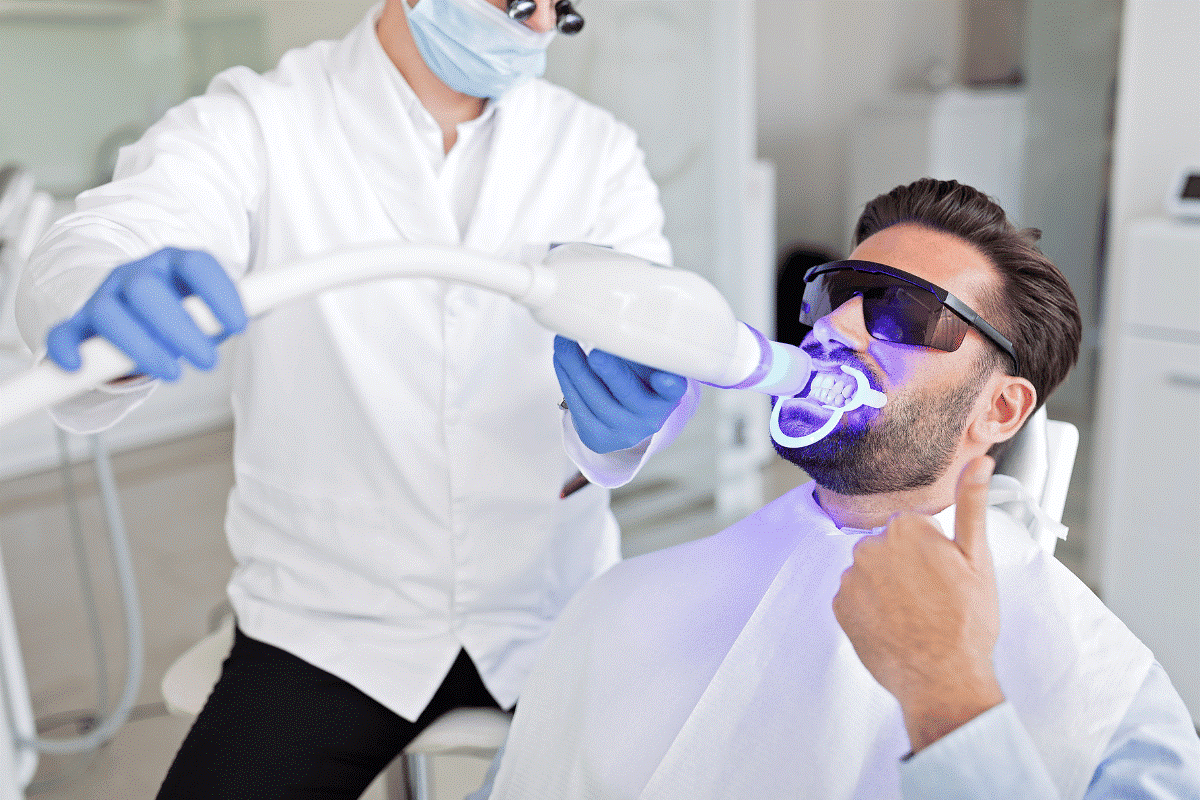
Can You Prevent Tartar? What Your Dentist Wants You to Know
Most people think about tartar only when a dentist points it out during a cleaning. By that point, the conversation has already moved from prevention to removal. But the more interesting question is what happens before that moment, and whether most of the damage could have been avoided entirely. The answer, backed by both research and clinical practice, is a clear yes. With the right habits and the right professional support, tartar is one of the most preventable dental problems there is. And understanding exactly how it forms is where prevention has to start.
What Tartar Actually Is:
A whopping 68% of adults have dental tartar, also known as calculus. Tartar is a hard, calcified deposit that forms and coats the teeth and gums. If plaque is not removed on a regular basis through brushing and flossing, it hardens within 24 to 72 hours and becomes tartar. The tartar buildup can then make it difficult to brush and floss properly, leading to cavities, gum disease, and bad breath.
That 24 to 72-hour window is the most important number in this conversation. Plaque is soft and removable at home. Tartar is not. Because tartar is strongly bonded to tooth enamel, it can only be removed by a dental professional. It is not recommended to attempt removing tartar at home, as doing so can damage the enamel and gums and potentially cause further oral health issues.
How Tartar Forms: The Sequence That Matters:
Tartar formation is a multi-step process beginning with plaque accumulation. When plaque is not effectively removed, it undergoes mineralisation, transforming into a hard, rock-like deposit. Several factors accelerate this accumulation: poor oral hygiene, a diet high in sugars and carbohydrates, dry mouth or xerostomia, and smoking or tobacco use, which causes higher tartar accumulation due to reduced oxygen supply to gums and altered bacterial balance.
According to research published in NPJ Biofilms and Microbiomes in 2024, calculus formation commences when the bacterial equilibrium in the oral cavity is disrupted. Bacteria accumulate locally and form biofilms on the tooth surface, which then promote increases in local calcium and phosphorus concentrations, triggering biomineralisation and the development of dental calculus.
Why Tartar Is About More Than Your Teeth:
Tartar is not simply an aesthetic concern. It significantly compromises oral health and when left unchecked leads to a cascade of problems: the presence of tartar irritates gum tissue causing gingivitis; when tartar extends below the gumline it creates deep pockets where bacteria thrive, leading to periodontitis characterised by gum recession, bone loss, and increased risk of tooth loss; and tartar creates rough surfaces where bacteria continuously attack enamel, leading to cavities.
The systemic connections are equally important and often underestimated:
| Systemic Risk | Connection to Tartar and Gum Disease |
|---|---|
| Cardiovascular disease | Oral bacteria can enter the bloodstream, increasing risk of heart disease and stroke |
| Diabetes complications | Periodontitis worsens blood sugar control |
| Respiratory infections | Inhaled bacteria from oral infections can lead to pneumonia |
| Premature birth risk | Gum inflammation has been linked to adverse pregnancy outcomes |
What You Can Actually Do at Home:
Prevention begins with daily consistency. According to MedlinePlus, prevention is key to oral health. Brushing at least twice a day for at least two minutes with a fluoride toothpaste, using electric toothbrushes which have been shown to clean teeth better than manual brushes, and flossing gently at least once a day are the foundational steps.
Beyond the basics:
- Use an antibacterial mouthwash to reduce the bacterial load that plaque depends on
- Replace your toothbrush or brush head every three months
- Reduce sugary and starchy snacking between meals, as frequent eating gives plaque bacteria more substrate to work with
- Stay well hydrated; saliva is a natural cleansing agent, and dry mouth accelerates plaque retention
- Avoid tobacco in any form
What Professional Cleaning Addresses:
Calculus is composed of bacteria that will cause infections in the oral cavity potentially leading to gum recession, bone loss, and tooth loss. While plaque can be easily removed with proper brushing and flossing, calculus cannot be removed on your own. It must be removed using special instruments by hygienists and dentists. Scheduling professional dental cleaning appointments on a regular basis allows the dental team to remove both hard and soft deposits, helping prevent inflammation and infections in the oral cavity.
The American Dental Association recommends professional cleaning every six months for most people. Those with existing gum disease or high tartar formation rates may benefit from more frequent visits.
Laser Teeth Whitening in Abu Dhabi: What Tartar Has to Do With It:
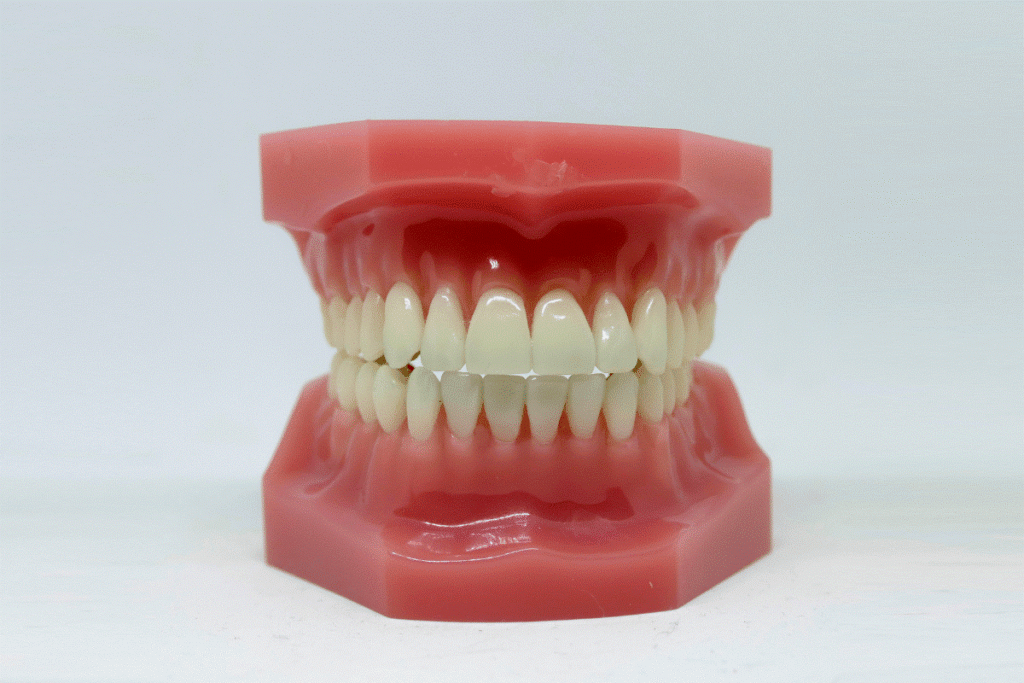
There is a detail many patients are surprised to learn: tartar and surface staining are closely related. Because tartar is porous, it traps stains from coffee, tea, red wine, and tobacco, making teeth appear yellow or brown and creating a surface that continues to accumulate discolouration over time.
This is why at Al Bahri Dental, professional cleaning is typically the first step before any laser teeth whitening in Abu Dhabi is performed. Whitening treatments work on clean tooth surfaces. Tartar and staining must be professionally removed first, not just for better aesthetic results, but because it is the clinically correct sequence. Attempting to whiten over accumulated calculus produces inconsistent results and misses the underlying problem entirely.
A 2024 systematic review published in the journal Applied Sciences found that laser-assisted bleaching partially indicates improved whitening of natural teeth, with diode lasers among the most studied and promising approaches when applied with appropriate protocols and concentrations of bleaching agent.
At Al Bahri Dental, the clinical team ensures the right sequence: a thorough oral health assessment, professional scaling if required, and then cosmetic treatment delivered on a clean, healthy foundation.
The Honest Answer to the Question:
Can you prevent tartar completely? Not entirely. Some degree of mineralisation is a natural biological process. But can you dramatically reduce how much forms, how fast it builds, and what it leads to? Absolutely. The window between plaque and tartar is 24 to 72 hours. That window is yours. What happens in the dental chair handles what cannot be addressed at home.
Book your professional cleaning or laser teeth whitening consultation in Abu Dhabi and give your oral health the same attention you give everything else that matters.

