
How to Protect Your Tooth After a Root Canal
Introduction
A root canal saves a tooth that would otherwise need to be removed. But the treatment itself is only half the story. What you do in the days and weeks that follow determines whether that tooth survives long term or becomes a problem again. At Al Bahri Dental and Orthodontic Centre, we offer a full range of restorative services, including the best dental implants in Abu Dhabi. We believe patient education is part of excellent dental care. Here is exactly what you need to know to protect your tooth after a root canal.
Why Post-Root Canal Care Matters
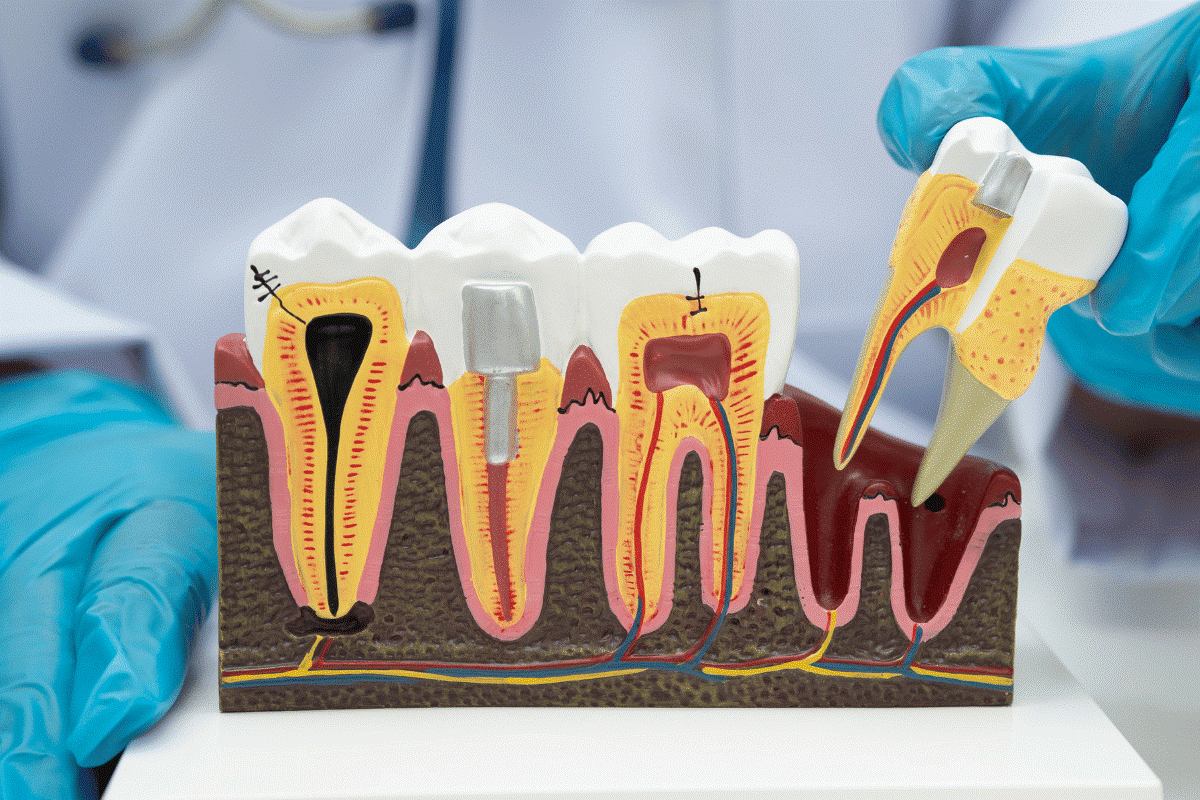
Once a root canal is completed, the tooth is no longer alive in the traditional sense. The pulp, which contained the nerve and blood supply, has been removed, and the canals sealed. This means the tooth becomes more brittle over time and more vulnerable to cracking or fracturing under chewing pressure. Without proper protection and care, even a successfully treated tooth can fail within a few years.
Get a Crown as Soon as Possible
After a root canal, your dentist will typically place a temporary filling to seal the tooth while you wait for a permanent restoration. This temporary filling is not a long-term solution. The single most important step is to have a dental crown placed as soon as your dentist recommends it.
A crown covers the entire tooth, distributes chewing forces evenly, and protects the underlying structure from cracking. Teeth that have had root canals but no crown placed are significantly more likely to fracture, often in ways that cannot be repaired. At Al Bahri Dental, our restorative team works closely with patients to plan and place crowns efficiently, ensuring your treated tooth is protected before daily chewing causes damage.
Avoid Hard and Crunchy Foods Initially
In the days immediately after your root canal, the area around the tooth will still be tender and the temporary restoration needs time to settle. Avoid hard foods such as nuts, raw carrots, and hard bread crusts, along with anything that requires significant biting force on the treated side. Sticky foods such as caramel or chewing gum can also dislodge a temporary filling, exposing the canals to recontamination.
Once your permanent crown is in place and fully settled, you can return to a normal diet, though it is always wise to treat heavily restored teeth with reasonable care.
Maintain Rigorous Oral Hygiene
A root canal-treated tooth can no longer get infected from the inside, but the surrounding gum and bone are still fully alive and susceptible to gum disease and decay at the margins of the crown. Brush twice daily, floss once daily, and pay attention to the area around your restored tooth. Plaque accumulation at the gum line around a crown can lead to gum recession, margin decay, and ultimately tooth loss, even in a tooth that had a successful root canal.
Attend Your Follow-Up Appointments

Your dentist will want to check the treated tooth at follow-up appointments to confirm that healing is progressing correctly and that no reinfection is occurring at the root tips. Do not skip these appointments even if you feel fine. Problems at the root level are often painless until they become significant, and early detection makes treatment far simpler and less costly.
When a Root Canal Fails: The Implant Option
In some cases, despite best efforts, a root canal-treated tooth cannot be saved. The root may crack, reinfection may occur, or the tooth structure may be insufficient to support a crown. In these situations, extraction followed by a dental implant is the most reliable long-term solution.
A dental implant replaces the entire tooth from root to crown, preserves the jawbone, and functions and looks like a natural tooth. It is the gold standard for replacing a tooth that cannot be saved, and our team will guide you through every step of the process from consultation to final restoration.
Conclusion
A root canal is an investment in keeping your natural tooth, and protecting that investment requires timely crown placement, good oral hygiene, and consistent dental check-ups. At Al Bahri Dental and Orthodontic Centre, we support every stage of your dental health journey, from root canal treatment and restoration through to the best dental implants in Abu Dhabi when a tooth cannot be saved.
Book your appointment today. Visit albahridental.com, call +971 2 575 1856 (Abu Dhabi) or +971 3 764 3273 (Al Ain), or WhatsApp us at +971 56 343 1856.
Frequently Asked Questions
How long does it take for a tooth to feel normal after a root canal?
Most patients experience sensitivity and mild discomfort for a few days. Full comfort typically returns within one to two weeks once inflammation settles.
Can a root canal-treated tooth get a cavity?
The inside of the tooth cannot decay, but the outer surfaces and the margins where a crown meets the tooth can. Diligent oral hygiene prevents this.
How long do root-canal-treated teeth last with a crown?
With proper care and regular dental visits, a crowned root canal tooth can last many decades and in some cases a lifetime.
What if my tooth cannot be saved after a root canal?
Our team, providing the best dental implants in Abu Dhabi, can replace the tooth with a natural-looking, fully functional implant that preserves your bite and jawbone health.


