
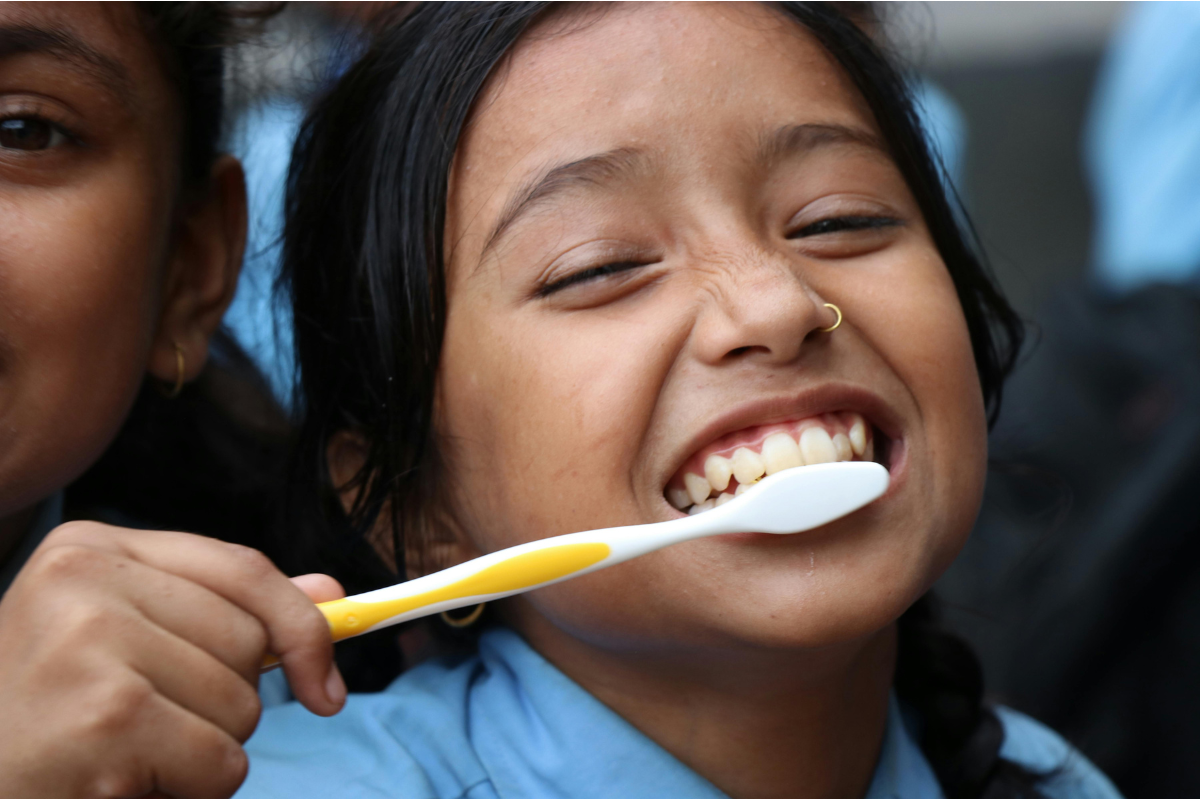
Back-to-School Dental Checklist: Is Your Child’s Smile Ready?
The weeks before school starts are often full of preparation, from new supplies to updated schedules, and a child’s dental health is easy to overlook in the process. A quick dental check before the school year begins can catch issues that might otherwise affect a child’s comfort, confidence, or focus once classes resume, and for some children, it is also a good moment to confirm whether a visit to an orthodontist in Abu Dhabi, such as Al Bahri Dental & Orthodontic Center, is worth scheduling. Reviewing a few key points before the first day of school helps parents know when a routine visit is enough and when something needs closer attention.
Why a Dental Checkup Before School Matters
Cavities, orthodontic issues, and gum irritation do not always cause obvious pain right away, but they can still affect how comfortably a child eats, speaks, or concentrates in class. A checkup scheduled before the school year starts gives enough time to address minor issues, such as a small cavity or a loose filling, before they turn into something that requires an appointment during the school week. It also gives parents a clear picture of whether any orthodontic evaluation is needed heading into the new year.
The Back-to-School Dental Checklist
- Schedule a routine cleaning and exam. A professional cleaning removes plaque buildup that a toothbrush cannot fully reach, and the exam catches early signs of decay.
- Check for cavities or early decay. Cavities are more comfortable and less expensive to treat early, before they reach the nerve of the tooth.
- Review bite and jaw alignment. A dentist can flag early signs of crowding or misalignment that may benefit from an orthodontic opinion.
- Replace worn-out mouthguards. Children returning to school sports need mouthguards that still fit properly, since a worn or outgrown guard offers little protection.
- Reassess brushing and flossing habits. A quick refresher on technique before the school year starts helps reinforce good habits once the daily routine gets busier.
- Ask about fluoride treatments or sealants. These can add an extra layer of protection for molars that are more prone to cavities.
When to See an Orthodontist Instead of a General Dentist
Not every dental concern needs an orthodontist. A cavity, minor gum irritation, or a chipped tooth is usually handled by a general dentist. However, if a child shows signs of crowding, a noticeable overbite or underbite, or teeth that are coming in significantly out of alignment, a pediatric-focused orthodontist can evaluate whether early intervention would help. Consulting an orthodontist from Abu Dhabi while a child’s jaw is still developing often allows for simpler, shorter treatment later, compared to waiting until the permanent teeth have fully come in.
At Al Bahri Dental & Orthodontic Center, evaluations typically begin with the general dentist, who can refer a child to the in-house orthodontic team if the bite or jaw development needs closer attention.
Common Orthodontic Signs Parents Should Watch For
An orthodontist known in Abu Dhabi typically looks for a few consistent patterns when deciding whether a referral makes sense:
- Visible crowding or overlapping teeth
- A noticeable overbite, underbite, or crossbite
- Teeth that come in unusually early or late compared to typical development
- Ongoing thumb-sucking or mouth breathing past the age it is expected to stop
- Difficulty biting or chewing comfortably
Choosing the Right Dental Team for Your Child
A dental visit that feels rushed or unfamiliar can make a child anxious about future appointments, while a team that takes the time to explain each step tends to build more trust over time. It also helps to look for a practice where general dentistry and orthodontic care are available under one roof, since a referral to a specialist becomes far less disruptive when the same practice can coordinate both.
Building a Dental Routine for the School Year
- Set a consistent brushing schedule tied to existing routines, such as after breakfast and before bed
- Pack lunchbox snacks that are lower in sugar to reduce cavity risk during the school day
- Keep a spare toothbrush and floss in a school bag if the child eats lunch away from home
- Schedule the next routine checkup roughly six months out, before it gets lost in the school calendar
Conclusion
A back-to-school dental checklist does not need to be complicated. A routine cleaning and exam, a look at bite and jaw alignment, and a few simple habit checks are usually enough to head into the new school year with confidence. Al Bahri Dental & Orthodontic Center brings together general dentistry and an experienced orthodontist team from Abu Dhabi under one roof, so both routine checkups and any follow-up orthodontic care can be handled without needing to search for a second practice. Book your appointment today by visiting albahridental.com, or calling +971 2 575 1856 (Abu Dhabi) or +971 3 764 3273 (Al Ain), or WhatsApp us at +971 56 343 1856.
FAQs
When should my child have their first back-to-school dental checkup?
Ideally, four to six weeks before the new school year begins, which gives enough time to address any cavities or other minor issues found during the exam.
At what age should a child first see an orthodontist?
Most orthodontic evaluations are recommended around age seven, even if braces are not needed yet. At this age, an early evaluation can identify developing bite or jaw issues while there is still time for simpler treatment options.
Does my child need X-rays at every back-to-school visit?
Not necessarily. X-rays are typically taken on a schedule set by the dentist, often once a year, unless there is a specific concern that needs closer evaluation.
What if my child is anxious about dental visits?
Choosing a practice experienced with children and explaining what to expect beforehand can help reduce anxiety. Many pediatric-friendly dentists also use a slower, more explained approach for younger or more nervous patients.
Is orthodontic treatment always needed if a dentist recommends an evaluation?
No. A referral for an evaluation does not automatically mean treatment is needed. It simply allows an orthodontist to assess development and recommend a plan if intervention would help, either now or later.

