
Can You Get a Dental Implant After Losing a Tooth Years Ago?
Dentists in Abu Dhabi meet many patients who lost a tooth years ago and left the gap untreated. Some expected it to cause no problems, some were told an implant was no longer possible, and many postponed the decision.
The question is a fair one, because the jaw changes after a tooth is lost. Time matters through its effect on the bone and gums, and no fixed cut-off applies. Many patients with an old gap can still have an implant. Whether it can be placed straight away or after bone grafting depends on an assessment of the jaw.
What Happens to the Jaw After a Tooth Is Lost
A tooth root stimulates the surrounding bone each time a person bites and chews. When the tooth is lost, that stimulation stops, and the bone in the area begins to reduce in height and width. The change is fastest in the first year, and the rate of loss slows afterwards.
The gap affects more than the bone. Neighbouring teeth can tilt or drift towards it, which changes how the teeth meet, and the tooth above or below can move out of its socket because nothing meets it. The gum shape around the gap changes as the bone beneath it reduces, and food may be chewed on the other side of the mouth, which puts uneven load on the remaining teeth. These changes explain why a gap left for years needs a closer look before treatment is planned.
Is It Too Late for a Dental Implant?
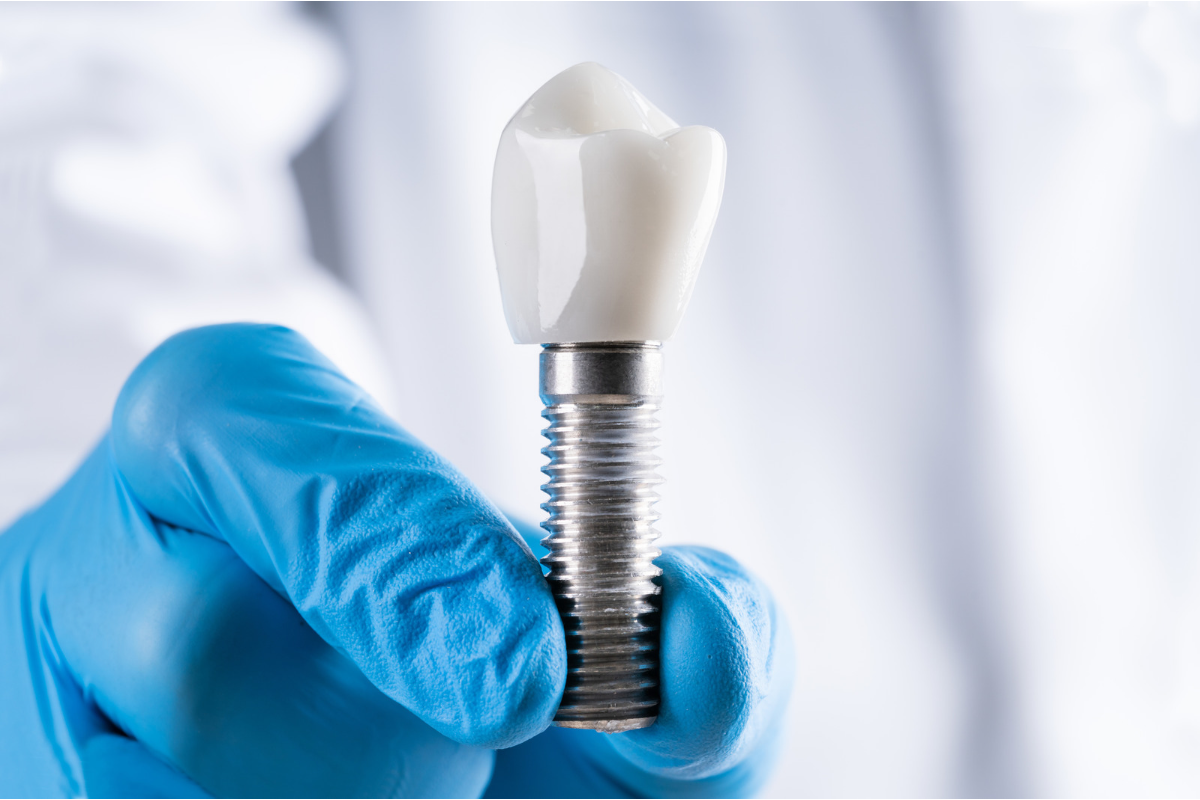
For many patients, it is not. A dental implant is a titanium post placed in the jawbone to act as a tooth root, and it needs enough healthy bone to hold it. After years without a tooth, the bone may be thinner or shorter than before, but this can often be addressed. Patients considering dental implants in Abu Dhabi after a long gap first need an assessment to see how much bone remains.
What Dentists Assess Before Recommending an Implant
During the consultation, dentists in Abu Dhabi look at the bone first. A 3D scan (CBCT) shows its height, width, and quality, which decides whether an implant can be placed straight away. Gum health comes next, because gum disease needs treatment before an implant is placed.
General health matters as well. Conditions such as diabetes need to be well controlled, and some medications affect healing. Smoking slows healing and raises the risk of implant failure, so stopping is advised. The position of the neighbouring and opposing teeth shows whether space needs to be restored first, and teeth grinding is taken into account in planning, because it adds load to an implant.
Options When the Bone Is Reduced
When the bone is not sufficient, the treatment plan may include one or more extra steps. Bone grafting places graft material in the area to rebuild height or width, and the implant follows once the graft has healed, which can take several months. A sinus lift raises the floor of the sinus to create room for an implant in the upper back teeth, and ridge augmentation widens or rebuilds a ridge that has narrowed. In some cases, a narrower or shorter implant fits the available bone without a graft.
Not every patient needs these steps. Where the bone is sufficient, the implant can be placed without grafting.
What the Treatment Involves
Patients who ask dentists in Abu Dhabi about a gap left for years can expect a staged plan:
- Consultation and scan: Medical history, examination, and a 3D scan show the condition of the bone and gums.
- Treatment planning: The dentist explains whether gum treatment or grafting comes first, how many stages are involved, and what each stage means for timing.
- Implant placement: The implant is placed in the jawbone, in many cases under local anaesthesia.
- Healing: The implant fuses with the bone over about three to six months, depending on the patient and the site.
- Crown: Once the implant is stable, the crown is fitted, and the bite is checked.
- Review: Follow-up visits check the implant and the surrounding gum.
When an Implant Is Not the Right Choice
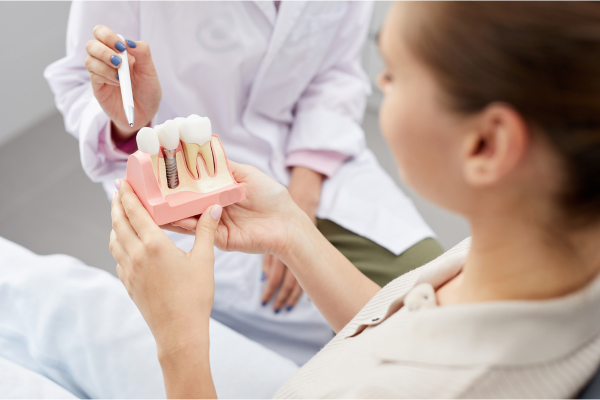
An implant is not suitable for every patient, and the dentist explains the alternatives at the consultation. A fixed bridge uses the neighbouring teeth for support, which means those teeth are reduced to hold it. A removable partial denture replaces one or more teeth without surgery and can be taken out for cleaning. If gum disease, general health, or smoking need attention first, treatment is delayed until they are addressed.
Replacing a Tooth Lost Years Ago
A tooth lost years ago does not rule out an implant. What counts is the condition of the bone, the gums, and the patient’s general health, and a 3D scan with an examination shows where each stands. Al Bahri Dental Clinic’s team of dentists in Abu Dhabi can assess an old gap, explain whether grafting is needed, and plan dental implant treatment in stages that suit the patient. To book a consultation, contact Al Bahri Dental Clinic.
Frequently Asked Questions
Is there a time limit for getting a dental implant after losing a tooth?
No fixed time limit applies. The condition of the bone and gums matters more than the number of years, and a 3D scan shows whether the jaw can hold an implant.
Can a dental implant be placed if the bone has shrunk?
In many cases, yes. Bone grafting, a sinus lift, or ridge augmentation can rebuild the area first, and in some cases a narrower or shorter implant fits the bone that remains.
How long does treatment take after a long gap?
It depends on whether grafting is needed. Without a graft, the implant takes about three to six months to fuse with the bone before the crown is fitted. A graft adds several months of healing beforehand.
Do the neighbouring teeth need treatment before an implant?
Not always. Teeth that have tilted into the gap may need to be repositioned to restore space, and gum disease needs treatment first. The dentist confirms this at the consultation.
Can smokers have dental implants?
Smoking slows healing and raises the risk of implant failure, so dentists advise stopping before and after treatment. Suitability is decided case by case.
How can a patient find out whether an implant is possible?
A consultation with one of the dentists at Al Bahri Dental Clinic, Abu Dhabi includes an examination, a review of medical history, and a 3D scan. These show the condition of the bone and gums and whether grafting is needed.