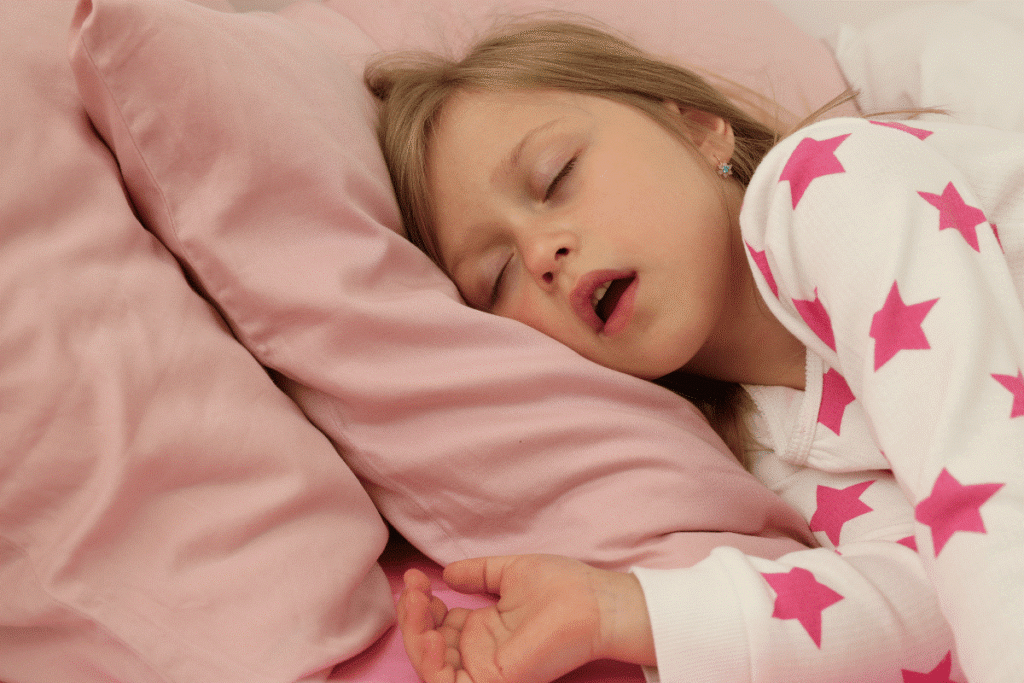
Hearing your child snore might seem cute or harmless, but persistent snoring can sometimes signal a more serious underlying condition. While occasional snoring during a cold is normal, chronic snoring affects approximately 10% of children and may indicate sleep apnea or other health concerns that require professional attention.
Common Causes of Snoring in Children
Children snore for various reasons, many of which are temporary and benign. Enlarged tonsils and adenoids are the most common culprits, particularly in children aged 3 to 6 years. These tissues can block the airway during sleep, causing the characteristic snoring sound. Allergies, nasal congestion, and respiratory infections can also lead to temporary snoring episodes. Additionally, obesity, structural abnormalities in the jaw or palate, and even certain sleeping positions can contribute to snoring.
Understanding Pediatric Sleep Apnea
Sleep apnea is a serious condition where breathing repeatedly stops and starts during sleep. Obstructive sleep apnea (OSA) occurs when the throat muscles relax too much, blocking the airway. In children, this often results from enlarged tonsils or adenoids pressing against the airway. Unlike adults, children with sleep apnea may not always appear tired during the day. Instead, they might exhibit hyperactivity, behavioral problems, difficulty concentrating, or poor academic performance.
Warning Signs That Require Attention
Not all snoring is cause for alarm, but certain red flags warrant a visit to your healthcare provider. Watch for pauses in breathing during sleep, gasping or choking sounds, restless sleep with frequent position changes, and bedwetting in previously dry children. Daytime symptoms like excessive sleepiness, morning headaches, irritability, difficulty waking up, or problems at school should also raise concerns. Children who breathe through their mouth consistently, both day and night, may have airway obstruction issues that need evaluation.
The Dental Connection
Many parents don’t realize that dentists play a crucial role in identifying sleep-disordered breathing in children. During routine examinations, dental professionals can spot signs like a narrow upper jaw, high-arched palate, crowded teeth, or an underdeveloped lower jaw—all of which can contribute to airway restriction. Early orthodontic intervention, such as palatal expanders, can sometimes help create more space for proper breathing and reduce sleep apnea symptoms.
When to Seek Professional Help
If your child snores more than three nights per week, shows any signs of sleep apnea, or exhibits behavioral or academic challenges alongside snoring, it’s time to consult a healthcare professional. A pediatrician may refer you to a sleep specialist for a sleep study, which provides definitive diagnosis. Depending on the cause, treatment options range from removing tonsils and adenoids to using continuous positive airway pressure (CPAP) devices or implementing orthodontic solutions.
Taking Action for Better Sleep
Untreated sleep apnea can affect your child’s growth, cognitive development, cardiovascular health, and overall quality of life. The good news is that most cases are treatable once properly diagnosed. Don’t dismiss persistent snoring as something your child will outgrow. By addressing airway issues early, you can help ensure your child gets the restorative sleep they need for healthy development.
If you’re concerned about your child’s snoring or suspect sleep apnea, schedule a comprehensive evaluation. Early intervention can make a significant difference in your child’s health, behavior, and academic success.