Why Do Some Teeth Respond Better to Whitening Than Others?
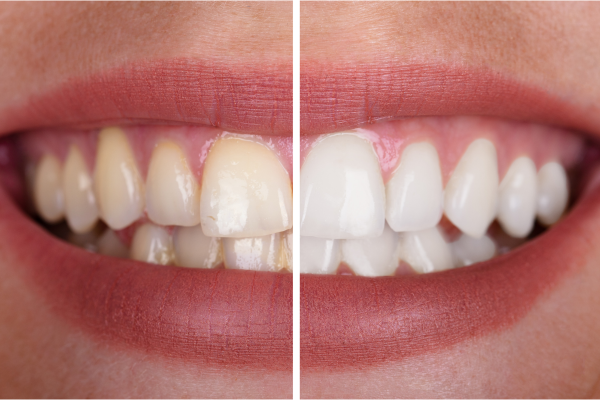
Teeth whitening does not deliver the same result for every patient. At Al Bahri Dental Clinic, patients often ask a cosmetic dentist in Abu Dhabi why one person’s teeth brighten by several shades while another person’s teeth change only slightly after the same treatment. The answer lies in the teeth themselves. The natural color of the enamel, the type of stain, the condition of the gums, and any dental work already in place all influence how well whitening works.
Understanding these factors helps set realistic expectations before treatment begins. It also makes it easier to choose the right approach, whether that is professional whitening, a different cosmetic treatment, or a combination of both.
What a Cosmetic Dentist in Abu Dhabi Checks Before Whitening
Whitening works on natural tooth structure, so the first step is always an examination. Whether the plan involves laser teeth whitening or another cosmetic approach, the dentist begins by looking at the factors that shape the result.
- Natural tooth color: Teeth with a yellow tone generally respond best to whitening. Teeth with a gray or brownish tone tend to lighten more slowly and may improve only partly.
- Enamel and the layer beneath it: Enamel is naturally translucent, and the darker layer underneath, called dentin, shows through it. As enamel thins with age, the yellower dentin becomes more visible. Age-related yellowing usually responds well, while the starting shade still sets a limit on how light teeth can go.
- The type of stain: Stains on the surface of the enamel and stains inside the tooth behave very differently. Surface stains from coffee, tea, red wine, or tobacco usually lift well. Stains that formed inside the tooth, such as those linked to certain antibiotics taken during tooth development, to fluorosis, or to an injury, are harder to change.
How Different Types of Discoloration Respond
The table below summarizes what patients can generally expect. Individual results vary, and only an examination can confirm the cause of a stain.
Type of discoloration | Common cause | Usual response to whitening |
Surface stains | Coffee, tea, red wine, tobacco | Usually responds well, especially after a professional clean |
Age-related yellowing | Enamel wear, darker dentin showing through | Often responds well |
Gray or brown stains inside the tooth | Certain antibiotics during tooth development, injury | Slower and often partial |
White spots or mottling | Fluorosis, enamel changes | Varies, and spots can look more noticeable at first |
Crowns, veneers, and fillings | Dental materials | Do not change color with whitening |
How Existing Dental Work and Gum Health Affect the Teeth Whitening Results
Whitening only changes natural tooth structure. Crowns, veneers, and fillings keep their original shade, so lightening the surrounding teeth can leave a visible mismatch. A cosmetic dentist in Abu Dhabi plans the target shade with existing restorations in mind and, where needed, recommends replacing an older restoration after whitening so everything blends.
Gum recession is another factor. When the gum line moves back, the root surface is exposed. Roots are naturally darker and softer than enamel, and they can feel more sensitive during treatment, so the plan is adjusted for comfort.
Plaque and tartar buildup can interfere with effective whitening and contribute to uneven results. A professional dental cleaning is often recommended before starting teeth whitening to ensure the teeth are clean and ready for treatment.
Daily Habits That Influence How Long Results Last
Even when teeth respond well, new stains can build up again. Habits that make the most difference include:
- Limiting coffee, tea, cola, and red wine, or rinsing with water afterward
- Avoiding tobacco in any form
- Brushing twice a day with fluoride toothpaste and cleaning between the teeth daily
- Attending regular check-ups and cleanings
These habits do not change how well teeth respond on the first day, but they influence how long the brighter shade lasts.
When Whitening Alone Is Not Enough
Some discoloration sits too deep, or is too uneven, for whitening to correct fully. Stains inside the tooth, uneven color, and older restorations are common examples. In these cases, a dentist may suggest veneers or another cosmetic treatment, either on its own or alongside whitening, to create a more even result.
Choosing the Right Whitening Plan
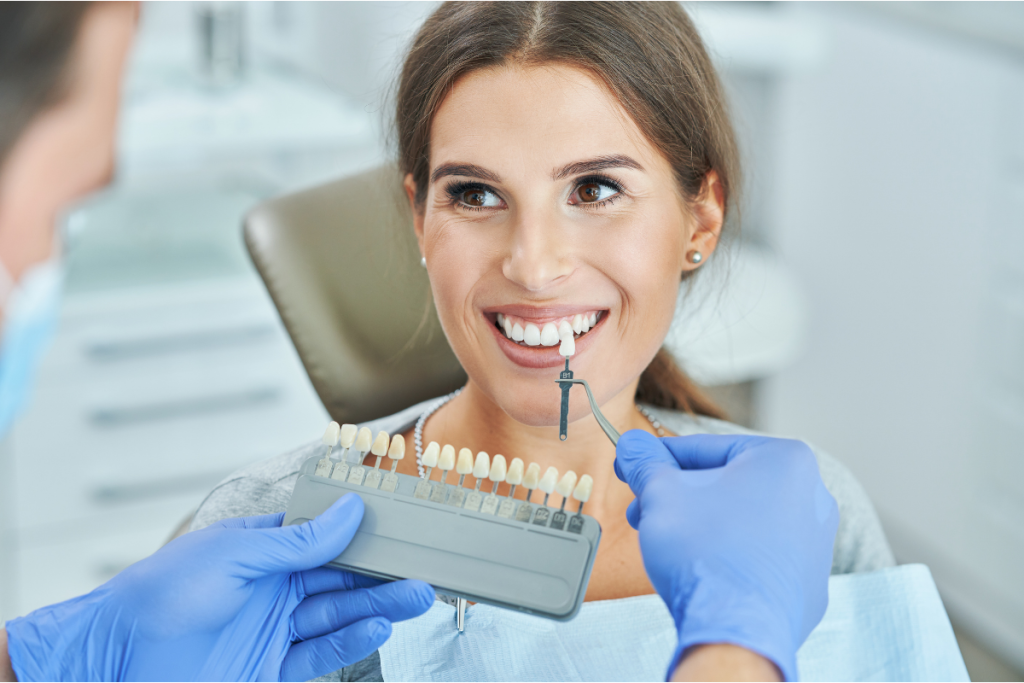
Teeth respond differently to whitening because of natural shade, stain type, enamel, existing dental work, and gum health. None of these makes one patient’s teeth better or worse than another’s. They simply shape the plan. Speaking with a cosmetic dentist in Abu Dhabi is the most reliable way to learn what to expect and which treatment suits a particular smile. Al Bahri Dental Clinic offers examinations and cosmetic dentistry care in Abu Dhabi and Al Ain, and booking a consultation is the easiest way to start with a plan built around the needs of the teeth.
Frequently Asked Questions
Why do some people see faster whitening results than others?
Natural tooth shade, enamel thickness, the type of stain, and the habits of each patient all play a part. Yellow-toned teeth and surface stains usually respond faster than gray or brown discoloration that sits inside the tooth.
Do crowns, veneers, and fillings whiten along with natural teeth?
No. Dental materials keep their original color, so the dentist plans the shade of the natural teeth with existing restorations in mind.
Can a cosmetic dentist in Abu Dhabi whiten gray or brown teeth?
Whitening may lighten gray or brown teeth, but the change is often slower and only partial. After an examination, the dentist can explain what is realistic and whether options such as veneers would give a more even result.
Is whitening likely to cause sensitivity?
Some patients notice temporary sensitivity, particularly those with gum recession or thin enamel. A dental examination before treatment helps the dentist choose a suitable approach and manage comfort.
How long do whitening results last?
The length of time varies from person to person. Diet, tobacco use, and oral hygiene have the biggest influence, and regular cleanings help keep teeth looking brighter.
Related Posts

Why Do Some Teeth Respond Better to Whitening Than Others?
Why Do Some Teeth Respond Better to Whitening Than Others? Home / Teeth whitening does not deliver the same result for every patient. At Al
Planning a Smile Makeover? Why Teeth Whitening Could Be Your First Step
Planning a Smile Makeover? Why Teeth Whitening Could Be Your First Step Home / A smile makeover can include whitening, veneers, orthodontic treatment, gum care,
Can You Get a Dental Implant After Losing a Tooth Years Ago?
Can You Get a Dental Implant After Losing a Tooth Years Ago? Home / Dentists in Abu Dhabi meet many patients who lost a tooth