The Hidden Link Between Jaw Problems and Poor Sleep
Do you wake up with headaches, feel constantly tired despite spending adequate time in bed, or notice your partner complaining about grinding noises during the night? These seemingly unrelated symptoms might share a common root cause: temporomandibular joint (TMJ) disorders. The connection between jaw problems and sleep quality is more significant than most people realise, and understanding this relationship is crucial for addressing both issues effectively.
Understanding TMJ Disorders
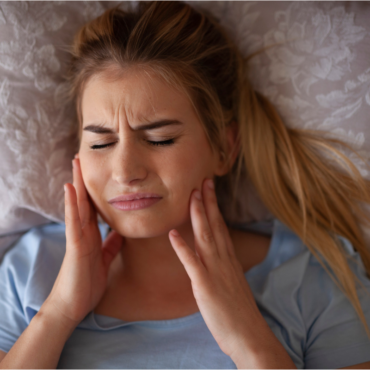
The temporomandibular joint connects your jawbone to your skull, functioning like a sliding hinge on each side of your jaw. TMJ disorders occur when this complex system of muscles, ligaments, and bones doesn’t work properly. Symptoms include jaw pain or tenderness, clicking or popping sounds when opening or closing the mouth, difficulty chewing, and facial pain or aching around the ear.
Whilst many people experience occasional jaw discomfort, persistent symptoms indicate underlying issues that require professional evaluation. The dentists in Abu Dhabi can diagnose TMJ disorders through comprehensive examination and identify contributing factors specific to your situation.
How Jaw Problems Disrupt Sleep
The relationship between TMJ disorders and sleep quality operates through several interconnected mechanisms.
Pain and Discomfort: TMJ-related pain often intensifies at night when lying down changes pressure distribution across the jaw joint. This discomfort makes falling asleep difficult and causes frequent awakenings throughout the night. Chronic pain prevents the deep, restorative sleep stages essential for physical recovery and mental wellbeing.
Teeth Grinding (Bruxism): Many people with TMJ disorders unconsciously grind or clench their teeth during sleep, a condition called bruxism. This grinding creates additional stress on the temporomandibular joint, perpetuating a cycle of inflammation and pain. The muscular tension from clenching prevents full relaxation, compromising sleep quality even when you’re not consciously aware of the grinding.
Sleep Apnoea Connection: Research increasingly suggests links between TMJ disorders and obstructive sleep apnoea. Jaw positioning affects airway size and stability. When the jaw sits too far back or muscles around it are chronically tense, the airway can narrow, contributing to breathing disruptions during sleep. These interruptions fragment sleep architecture, preventing restorative rest.
Stress and Anxiety Amplification: TMJ pain often creates stress, and stress exacerbates both TMJ symptoms and sleep problems. This creates a vicious cycle where poor sleep increases stress sensitivity, which intensifies jaw clenching and grinding, which further disrupts sleep.
Recognising the Warning Signs
Many people don’t connect their sleep problems with jaw issues because symptoms can seem unrelated. Watch for waking with jaw soreness or tightness, unexplained morning headaches or migraines, worn tooth surfaces (your dentist may notice this first), disrupted sleep or frequent night-time awakenings, and daytime fatigue despite adequate time in bed.
If you experience several of these symptoms simultaneously, TMJ involvement in your sleep problems is likely. The dentists in Abu Dhabi can evaluate whether jaw dysfunction contributes to your sleep difficulties through detailed assessment of your bite, jaw alignment, and muscular function.
Treatment Approaches That Improve Both
Addressing TMJ disorders often dramatically improves sleep quality. Effective treatments include:
Custom Night Guards: Professionally fitted oral appliances prevent grinding and clenching whilst protecting teeth. These devices maintain proper jaw positioning throughout the night, reducing strain on the temporomandibular joint and surrounding muscles.
Bite Adjustment: When misaligned bite patterns contribute to TMJ problems, strategic adjustments through orthodontics or restorative dentistry can relieve pressure on the joint and improve jaw positioning during sleep.
Physical Therapy: Targeted exercises strengthen jaw muscles, improve range of motion, and reduce tension. Many patients find that consistent physical therapy significantly decreases both pain and sleep disruption.
Stress Management: Since stress amplifies both TMJ symptoms and sleep problems, incorporating stress-reduction techniques, meditation, progressive muscle relaxation, or counselling, addresses root causes rather than just symptoms.
Lifestyle Modifications: Simple changes like avoiding hard foods, applying warm compresses before bed, and practising good sleep hygiene complement professional treatment.
The Importance of Professional Evaluation

Self-diagnosis and over-the-counter solutions rarely address the complex interplay between jaw problems and sleep quality. Comprehensive professional evaluation identifies specific contributing factors in your case, whether structural misalignment, muscular tension, stress-related clenching, or combinations of multiple factors.
The dentists in Abu Dhabi use advanced diagnostic tools to assess jaw function, bite alignment, and sleep-related symptoms comprehensively. This thorough evaluation enables targeted treatment plans that address your specific situation rather than applying generic solutions.
Reclaiming Restful Sleep
The connection between jaw health and sleep quality represents an often-overlooked factor in overall wellbeing. When you address TMJ disorders effectively, improvements in sleep quality often follow naturally. Better sleep, in turn, reduces stress and supports healing, creating a positive cycle of improvement.
If you’re struggling with unexplained sleep problems, persistent headaches, or jaw discomfort, the solution might lie in addressing the hidden connection between these symptoms.
Experience restful nights again. Al Bahri Dental’s expert team provides comprehensive TMJ evaluation and treatment in Abu Dhabi. Don’t let jaw problems rob you of quality sleep, schedule your consultation today and discover personalised solutions that address both your jaw health and sleep quality.