
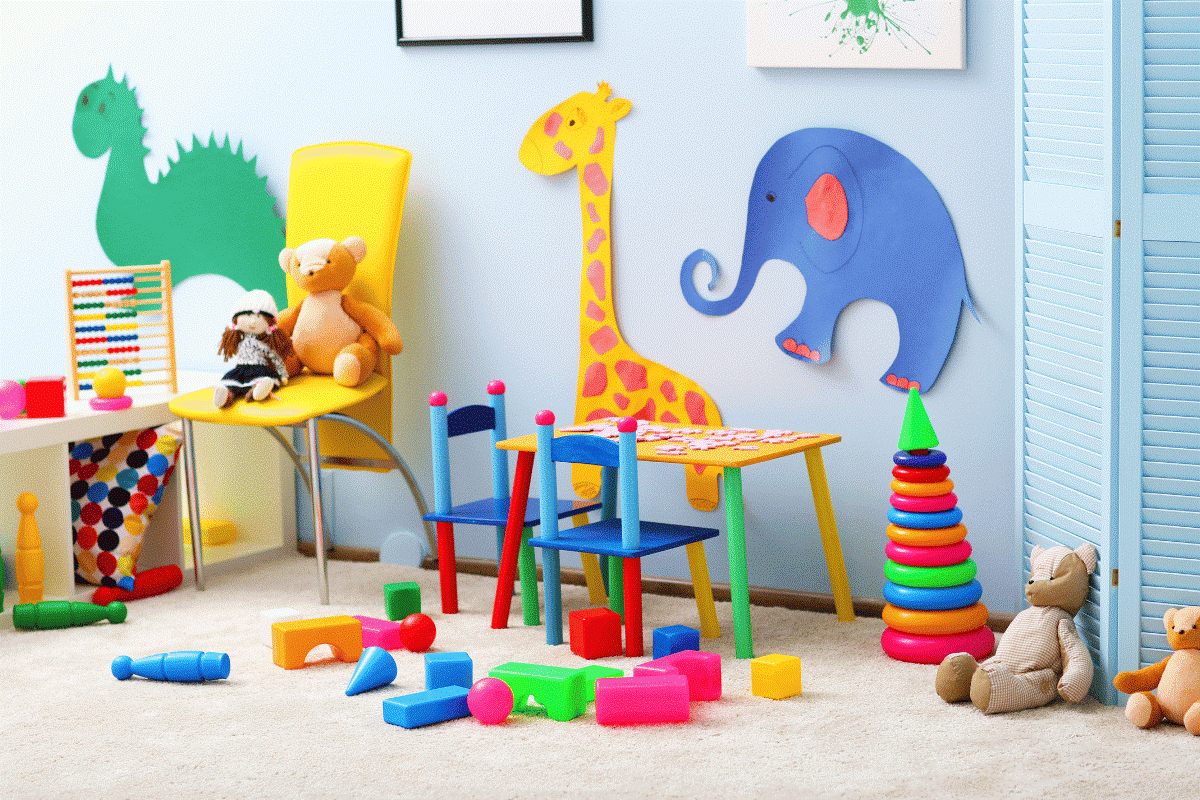
Why a Play Area Matters at the Pediatric Dentist
For most adults, a dental visit is a manageable inconvenience. For a young child, it can feel like an entirely different experience. The clinical environment, the unfamiliar sounds, the people in masks, the instruments they cannot identify. Without the right context, a child’s first few dental visits can set the tone for how they relate to dental care for the rest of their life.
This is why the physical environment of a pediatric dental clinic matters far more than most parents initially consider. And it is why, when evaluating a provider of pediatric dentistry in Abu Dhabi, the presence of a thoughtfully designed play area is not a cosmetic detail. It is a clinical one.
The Psychology Behind Dental Anxiety in Children
Dental anxiety in children is well-documented and common. Studies consistently show that fear of the dentist is one of the most prevalent anxiety-provoking situations for children, and that early negative experiences are a leading cause of avoidance behaviour in adulthood.
The anxiety typically stems from a combination of factors:
- The unfamiliar and clinical nature of the environment
- Anticipation of pain or discomfort
- Loss of control while sitting in the dental chair
- Separation from a parent or familiar caregiver during treatment
- Previous negative experiences, either their own or observed in others
What all of these factors have in common is that they are context-dependent. The environment a child encounters before, during, and after treatment directly shapes whether the experience feels threatening or manageable. A waiting room that looks and feels like a familiar, welcoming space begins to dismantle that anxiety before the child has even met the dentist.
What a Play Area Actually Does
A well-designed play area in a pediatric dental clinic serves several specific functions that go beyond simply keeping children occupied.
It reframes the context of the visit.
Children process the world through play. When a child walks into a dental clinic and sees a play area, they are not walking into a hospital. They are walking somewhere familiar. The association shifts from clinical to comfortable before any treatment takes place.
It reduces pre-appointment anxiety.
The waiting period before an appointment is often when anxiety peaks for children. A play area gives the child an immediate, absorbing activity that occupies their attention and regulates their emotional state. By the time they are called in, they are calmer, more cooperative, and more receptive to the dentist’s guidance.
It builds positive associations with the clinic.
Repeated positive experiences compound. A child who associates the dental clinic with a place where they got to play, had fun, and felt comfortable will not resist future appointments. Over time, this shapes a child who approaches dental care without fear, which is one of the most valuable outcomes a pediatric dental provider can deliver.
It gives parents room to prepare their child.
When a child is engaged in play, a parent has a moment to speak calmly and positively about what is going to happen. They can frame the appointment in age-appropriate language, answer questions, and reinforce that it is a safe and friendly place. This pre-visit conversation, supported by a relaxed environment, is significantly more effective than trying to reassure an anxious child in a stark waiting room.
It supports the dentist-child relationship.
Pediatric dentists and their teams often interact with children in the waiting area before the appointment begins. Meeting a child while they are relaxed and playing, rather than anxious and sitting still, creates a much easier foundation for building the rapport that makes treatment possible.
Why This Is a Clinical Priority, Not a Design Choice
It is worth being direct about this: a play area in a pediatric dental clinic is not a marketing feature. It is part of a clinical philosophy about how children should experience dental care.
Pediatric dentistry as a specialty is built around the understanding that a child is not a small adult. Their developmental stage, emotional regulation capacity, and response to unfamiliar environments all require a different approach to care. The physical environment is part of that approach.
When parents search for pediatric dentistry in Abu Dhabi, they are often comparing clinical credentials, qualifications, and services. These are important. But the environment in which that care is delivered is equally important, particularly for young children having early dental experiences, children with sensory sensitivities or anxiety, and children who have had difficult experiences at other clinics.
A clinic that has invested in a thoughtful, child-centred waiting environment is communicating something meaningful about its overall approach to pediatric care.
What to Look for in a Pediatric Dental Environment
Beyond the play area itself, parents evaluating a pediatric dentist in Abu Dhabi should look for a broader set of environmental signals that indicate a child-centred practice:
Child-scale design. Furniture, artwork, and decor at a child’s eye level. A waiting area designed for a child, not scaled down from an adult space.
Colour and warmth. Bright, welcoming colours that differ from the clinical white of a standard dental suite. The goal is to separate the waiting experience from the treatment experience visually.
Noise management. Play areas that buffer the sounds of treatment from the waiting area. For younger children and anxious first-timers, hearing dental instruments while waiting can amplify fear before the appointment has started.
Child-appropriate materials. Age-appropriate books, toys, and activities that are regularly cleaned and maintained. A neglected or poorly maintained play area sends the opposite message from the one intended.
Staff trained in child communication. The physical environment is supported by the people in it. Pediatric dental teams trained in child behaviour management know how to speak with children in ways that are calm, honest, and reassuring at every stage of the visit.
Parental involvement policies. A pediatric clinic that supports parental presence in the treatment room for young or anxious children provides an additional layer of comfort that complements the environmental approach.
The First Visit: Why It Matters More Than Any Other
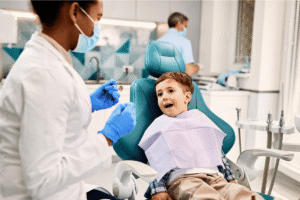
The first dental visit establishes the template for every visit that follows. A child who has a calm, positive, playful first experience at the dentist carries that forward. A child who experiences fear or discomfort in an unwelcoming environment carries that forward too.
The recommendation from pediatric dental specialists is that a child’s first visit should happen around their first birthday or within six months of the first tooth erupting. At this age, the visit is brief, the child is not expected to tolerate extensive examination, and the primary goal is familiarisation. Getting a young child comfortable in the dental environment, with the team, and with the routine of attending is the entire clinical objective of an early visit.
A clinic with a thoughtful play area and a child-centred approach understands this. The play area is not there for the benefit of children having complex treatment. It is there for the one-year-old having their first look around, the three-year-old who is nervous, and the five-year-old who will decide at this visit whether the dentist is someone to be trusted or feared.
Al Bahri Dental’s Approach to Pediatric Care
At Al Bahri Dental and Orthodontic Center, our approach to pediatric dentistry in Abu Dhabi is built around the principle that children deserve a dental experience designed specifically for them. Our pediatric dental services cover preventive care, early orthodontic assessment, restorative treatment, and patient education for both children and parents.
Our team is trained in child behaviour management and works consistently to ensure that every young patient leaves our clinic with a positive experience, regardless of what their appointment involved. We understand that how a child feels about the dentist at age four will shape how they approach dental care at age fourteen and beyond.
A welcoming environment is part of that commitment. So is honest communication with parents, age-appropriate explanations for children, and clinical care that is gentle, thorough, and delivered with patience.
Book a Pediatric Appointment at Al Bahri Dental
If you are looking for trusted pediatric dentistry in Abu Dhabi for your child, Al Bahri Dental and Orthodontic Center offers gentle, child-centred care across two conveniently located clinics in Abu Dhabi and Al Ain.
Call us at +971 2 575 1856 (Abu Dhabi) or +971 3 764 3273 (Al Ain), or book an appointment online.
Because how your child feels about the dentist today shapes how they care for their smile tomorrow.
Frequently Asked Questions
At what age should my child first visit a pediatric dentist?
The standard recommendation is around the age of one, or within six months of the first tooth appearing. Early visits are primarily about familiarisation and establishing a routine, not treatment. Starting early means your child builds comfort with the dental environment from the very beginning.
What is the difference between a pediatric dentist and a general dentist who sees children?
A pediatric dentist has completed additional postgraduate training specifically in the dental and psychological needs of children, from infancy through adolescence. This includes training in child behaviour management, growth and development of the teeth and jaws, and the management of dental anxiety in young patients. For routine check-ups, a general dentist may be appropriate for older children. For complex treatment, younger children, or anxious patients, a specialist in pediatric dentistry in Abu Dhabi is the more appropriate choice.
My child is very anxious about dental visits. What can I do before the appointment?
Talk about the visit in calm, positive language without over-reassuring or minimising. Avoid phrases like “it won’t hurt” as they draw attention to the possibility of pain. Frame it as a visit to a friendly place where the dentist counts teeth and keeps them strong. Allow your child to ask questions and answer honestly and simply. Arriving a few minutes early so your child can settle into the play area before being called in can significantly reduce pre-appointment anxiety.
Should I stay with my child during treatment?
This depends on the child’s age, temperament, and the nature of the treatment. At Al Bahri Dental, we support parental presence in the treatment room for young or anxious children where it is clinically appropriate. Our team will guide you on what is most helpful for your child on a case-by-case basis.
How often should children visit the dentist?
Every six months for routine check-ups and professional cleaning, unless your pediatric dentist recommends a different schedule based on your child’s specific needs. Regular attendance is the single most effective way to prevent dental problems and maintain your child’s comfort with the dental environment.
Does Al Bahri Dental offer pediatric dentistry in Abu Dhabi for children with special needs?
Yes. Our team has experience working with children who have additional sensory, developmental, or behavioural needs. We adapt our approach to each child and take the time required to make every visit as comfortable as possible. Contact us before your child’s first appointment so we can prepare appropriately.

